Breast Soother
Loading...


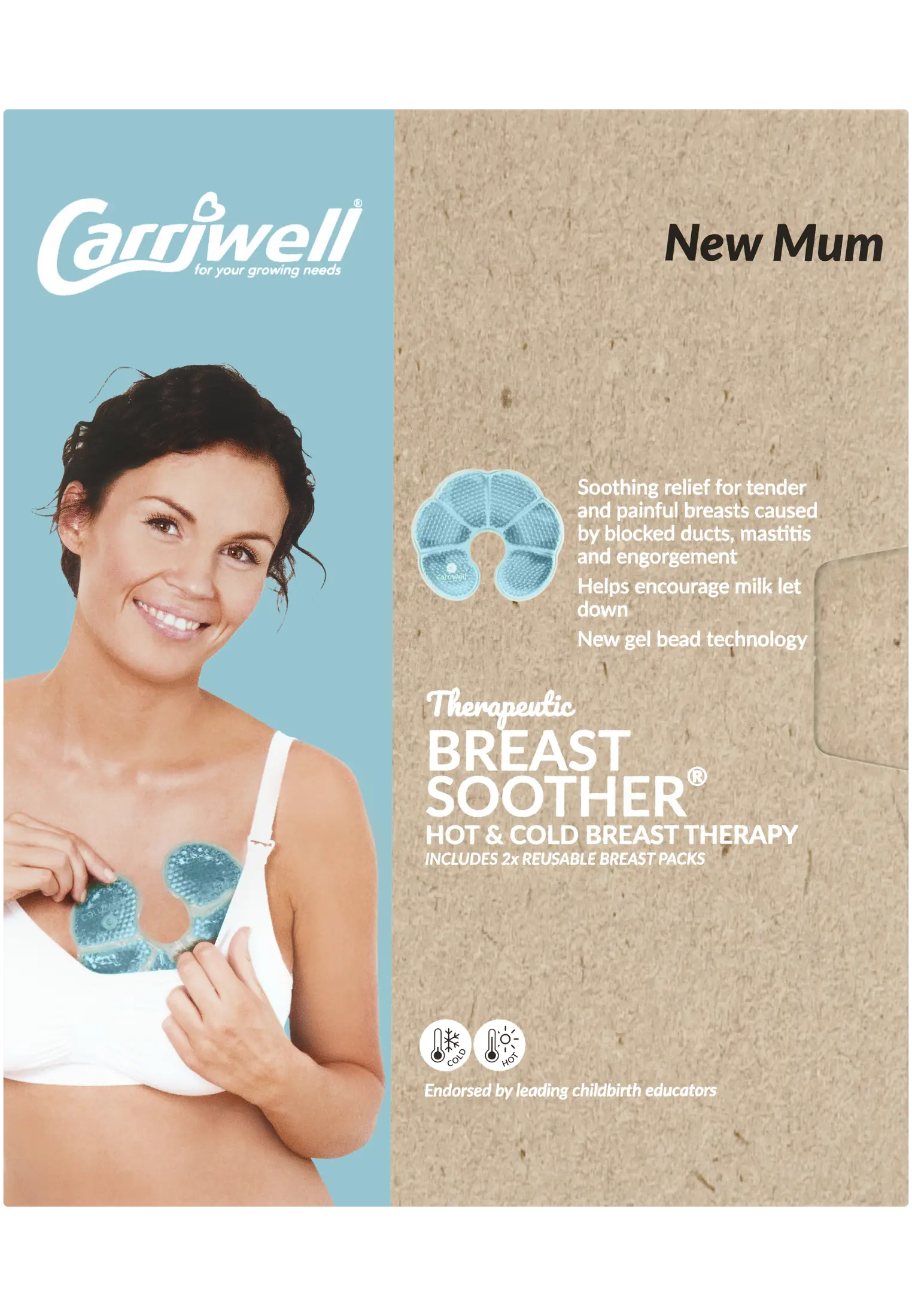
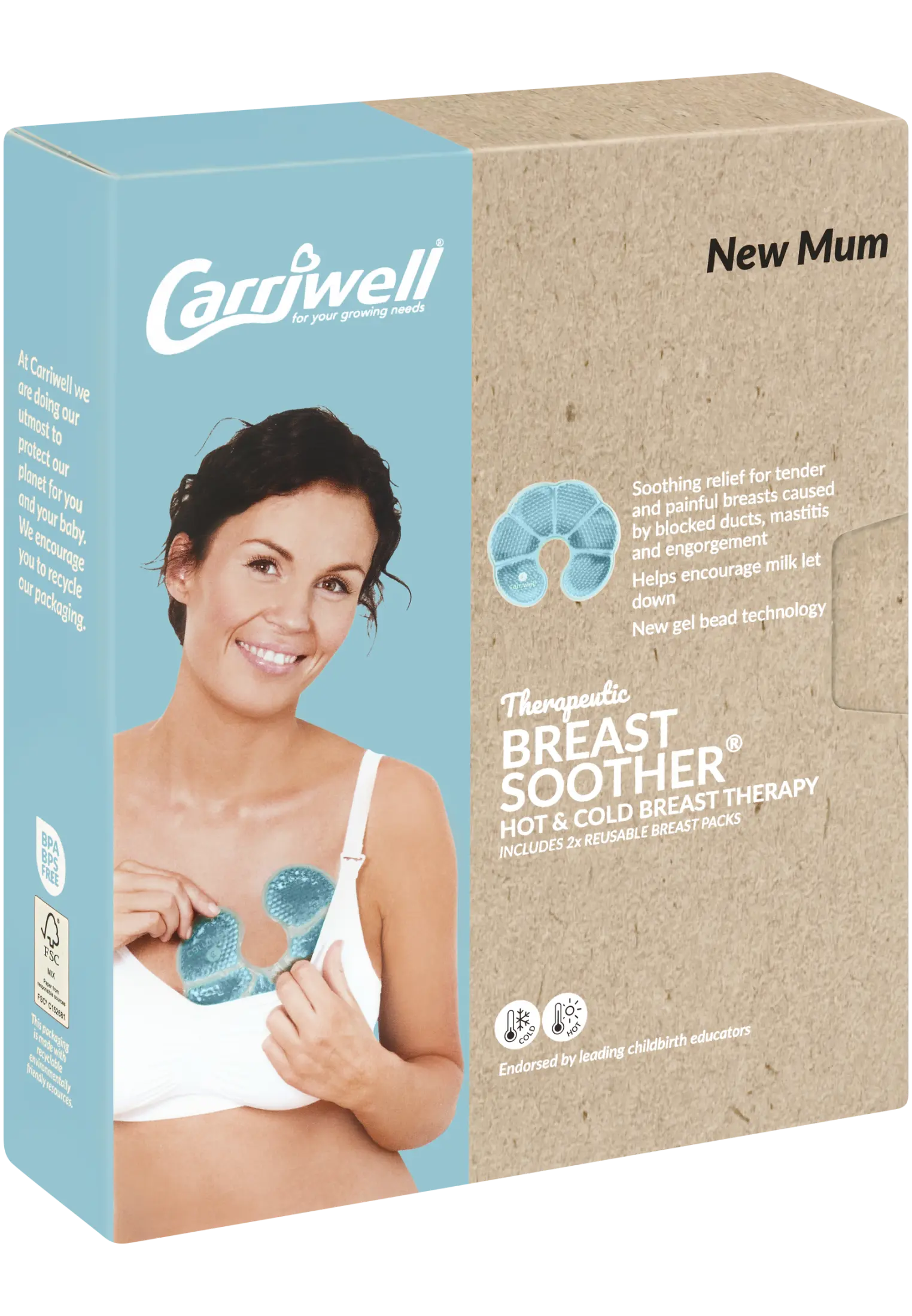
Breast Soother
Recommended and Endorsed by leading Child Birth Educators, Doula’s & Midwives
Product Code:
6009625951685
SKU: 6009625951685-4000401
Categories: New Mum - Nursing & Breastfeeding Bras For New Mums, Breast pads & Soothers, For your Hospital bag
R249.99
Hot & Cold breast packs are designed for natural soothing relief of painful and tender breasts, caused by blocked ducts, mastitis and engorgement.
In stock


Soothing Solutions
Read More
Overview
Natural soothing pain relief:
Breastfeeding is a beautiful natural bonding experience between mother and baby however it can sometimes present challenges such as engorgement, mastitis, blocked ducts, or inflammation.
Benefits of Hot and Cold Packs:
- Pain Relief: Cold packs help numb the area and reduce swelling, pain and inflammation, providing immediate soothing relief from soreness and discomfort.
- Improved Milk Flow: Applying heat packs to the breasts before nursing can encourage milk flow and make breastfeeding more comfortable for both mother and baby.
- Post-weaning discomfort: When you stop breastfeeding or reduce frequency, cold packs can ease and soothe the resulting fullness and pressure.
- Promotes Healing: Cold packs can minimize inflammation and prevent further tissue damage, supporting faster recovery and reducing pain.
- Comfort between feedings: Cold packs provide relief for general tenderness or soreness that can be experienced between feeds or pumping.
- Soft: Flexible soft design with new Gel-Bead technology moulds to the shape of your breasts for maximum coverage and comfort.
- Post-surgery or injury: Cold therapy can help with bruising or pain after breast surgery or trauma.
Carriwell Breast Soother hot and cold packs are invaluable tools for breastfeeding mothers, offering relief from common challenges such as engorgement, mastitis, blocked ducts, and inflammation. By understanding their benefits, proper usage, and safety considerations, mothers can effectively incorporate hot and cold packs into their breastfeeding routine to promote comfort, healing, and overall well-being.
What is Breast Engorgement?
Breast engorgement is the painful swelling of the breasts that happens during breastfeeding, usually when a mother produces more milk than her baby consumes. This can make breastfeeding difficult. It can also occur if a mother can’t breastfeed or pump, or when she stops breastfeeding.
What is Mastitis?
Mastitis is the inflammation of breast tissue that can lead to infection, often caused by a blocked milk duct. Milk trapped behind the blockage can inflame nearby tissue. While inflammation is called mastitis, infection may or may not be present.
How and When to Use Breast Soother Hot and Cold Packs:
Hot & Cold breast packs (also called cold compresses or gel packs) are commonly used to relieve discomfort related to breastfeeding or breast conditions
Treatment of Engorgement, Mastitis, Blocked Ducts, and Inflammation:
- Engorgement: For engorged breasts, start with a warm compress or hot pack before nursing to encourage milk let-down and make it easier for the baby to latch. After nursing, apply a cold pack for 10-15 minutes to reduce swelling and discomfort.
- Mastitis & Blocked Ducts: Apply a cold/ice pack to the affected breast several times a day to reduce swelling, pain and inflammation and provide soothing relief.
- Inflammation: Apply a cold compress or ice pack to minimize swelling and reduce inflammation.
Management of Engorgement & Mastitis:
Prevention is always better than cure.
- Latch properly - Prevent nipple trauma and ensure adequate milk transfer.
- Feed early and often - Zero separation of mother and baby. Baby needs free access to the breast to feed as often as needed – keep baby in the “breastaurant”.
Management principles
- Rest
- Breast rest - feed baby as usual or pump just what baby needs if exclusively pumping.
- No extra pumping or milk collection devices on suction mode.
- Treat oversupply where applicable.
- Breast rest - feed baby as usual or pump just what baby needs if exclusively pumping.
- Mom rest & stress reduction -
- Rest in bed – does not feel well due to inflammatory symptoms (not necessarily infection).
- Eat well and stay hydrated.
Reduce inflammation -
- Ice pack or ice wrapped in a cloth
- Anti-inflammatories e.g. Ibuprofen
- Sunflower Lecithin - reduce inflammation and emulsify milk.
Medication - only when needed. Safe to breastfeed
- Painkillers - Ibuprofen and Paracetamol
- Antibiotics - Reserve for bacterial mastitis.
Avoid
- Massage
- Vigorous, deep massage or squeezing to get rid of a “clog”
- Using a comb, vibrator or electric toothbrush on the breast to “dislodge a clog”.
These will cause tissue damage.
- Funny feeding positions
- Dangle feeding.
- Pointing nose/chin to blockage.
These do not address inflammation, can cause nipple damage and muscle strain for mom
- Antibiotics
Avoid using them as first line treatment – try conservative methods first.
Not necessarily infection needing antibiotics – will compromise the milk microbiome and promote resistant strains of bacteria.
DO
- Wear a comfortable supporting bra with no underwire - oedema collects at the bottom of the breast like swollen ankles if sitting too long – supportive bra acts like compression stockings.
- Minimise the use of breast pumps and nipple shields - reduce beneficial bacterial interaction between breast and baby’s mouth.
Most important
- Ice
- Breast rest
- Mother rest
- Anti-inflammatories / Paracetamol - Only if needed.
- No harsh massage
Ice is the key
- Ice constricts blood vessels (making them smaller) with subsequent reduction of blood flow to the area - applying heat will bring more blood, worsening the problem.
- Reduces swelling – helps lymphatic drainage of tissue fluid in the breast and reduces pressure on the ducts - widen again and milk can flow freely.
- Helps reduce pain – most moms find it so soothing that they do not need to take painkillers.
Safety Considerations:
- Temperature: Ensure that hot packs are not too hot to avoid burning the skin. If you feel the heat is too much, allow to cool slightly before use, or wrap them in a towel or cloth before applying to the breast. Likewise, cold packs (when frozen), should not be applied directly to the skin for prolonged periods to prevent frostbite.
- Duration: Limit the duration of hot and cold pack application to 15-20 minutes at a time to prevent skin damage or discomfort.
- Hygiene: Always use clean hot and cold packs to prevent infection. Wash reusable packs according to the instructions.
- Consultation: Always remember to prioritise self-care and seek professional guidance when needed to ensure a positive breastfeeding experience for both mother and baby. If breastfeeding concerns persist or worsen despite using hot and cold packs, consult a healthcare professional for further evaluation and treatment.
More Info
Details
| Weight | .30 kg |
|---|---|
| Dimensions | 14 × 3 × 20 cm |
| Size | One Size |
| Color | Blue |
Related Products

R150.00
Select options
This product has multiple variants. The options may be chosen on the product page

R599.99
Select options
This product has multiple variants. The options may be chosen on the product page

R599.00
Select options
This product has multiple variants. The options may be chosen on the product page

